CEE staff presentations at ACEEE Summer Study 2026 ran the gamut of energy efficiency in buildings
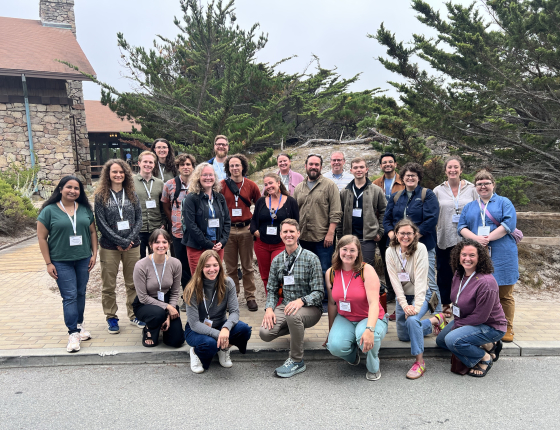
Every two years, the American Council for an Energy-Efficient Economy (ACEEE) takes over the Asilomar Conference Grounds in Pacific Grove, California, to host the Summer Study on Energy Efficiency in Buildings. This one-of-a-kind conference tackles a broad range of technologies and practices needed to transform energy use in buildings. Each day of the conference offers attendees a nonstop schedule of panels, informal talks, poster displays, and keynote speakers. Topics include deep dives into heat pump optimization, aging power grid infrastructures, training up the next generation of the building workforce, bill affordability for residents, rising electricity demands from data centers, effective utility program design, and so much more. It’s an opportunity for some of the brightest minds in energy efficiency to exchange findings and collaborate on new ideas that will move the building sector toward greater efficiency, affordability, and resilience.
CEE’s team presence at this year’s Summer Study was one for the books. Ten papers from CEE staff members were accepted to present at formal panels, with speakers from our market transformation, residential, commercial, and research departments. The presentations spurred dynamic audience input, opportunities to apply findings, and questions for future work. Check out the summaries of the CEE presentations below and click the buttons to download the complete papers.
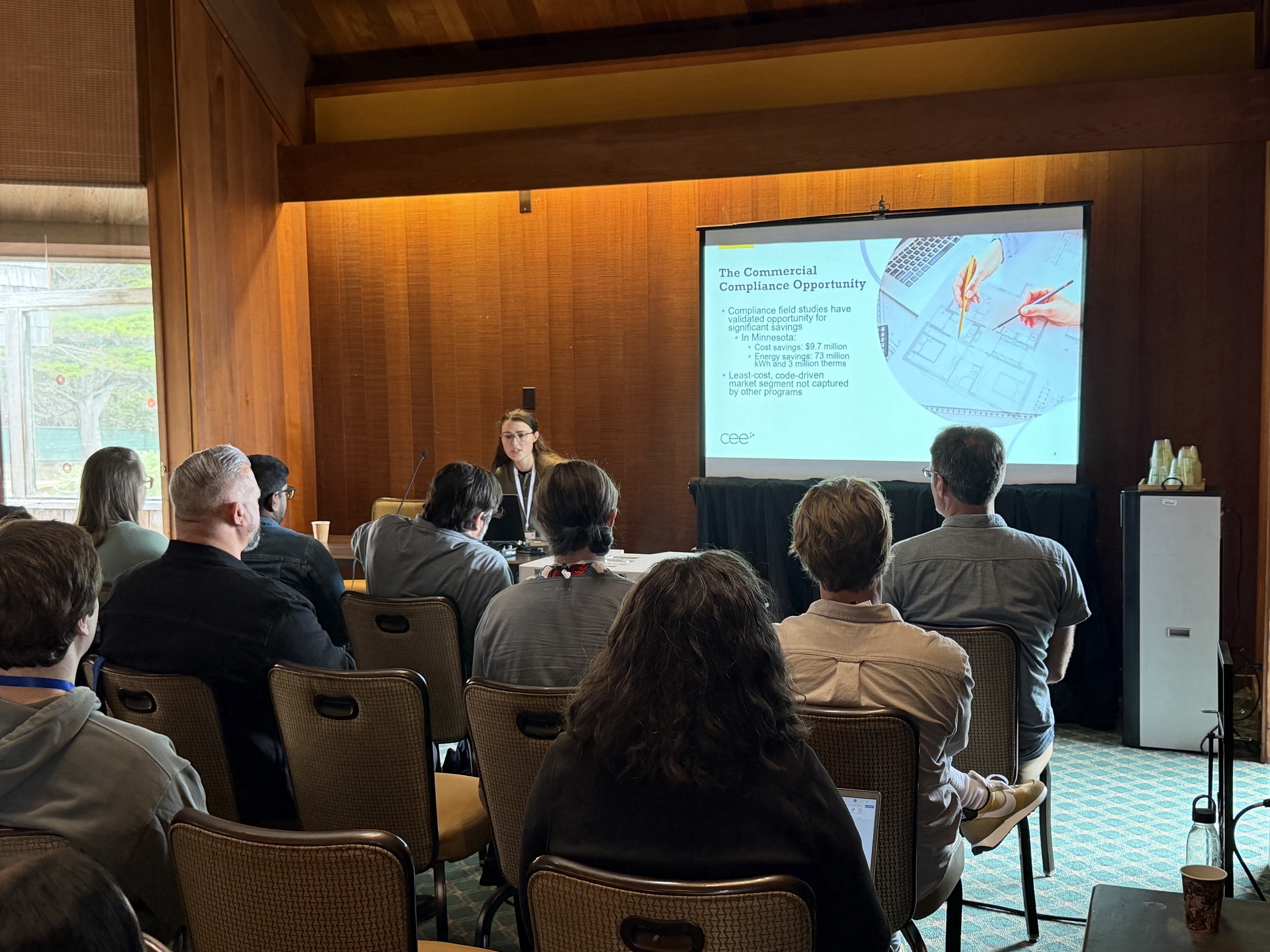
Julia Wells covered code compliance and the potential to deliver energy savings through third-party plan review.
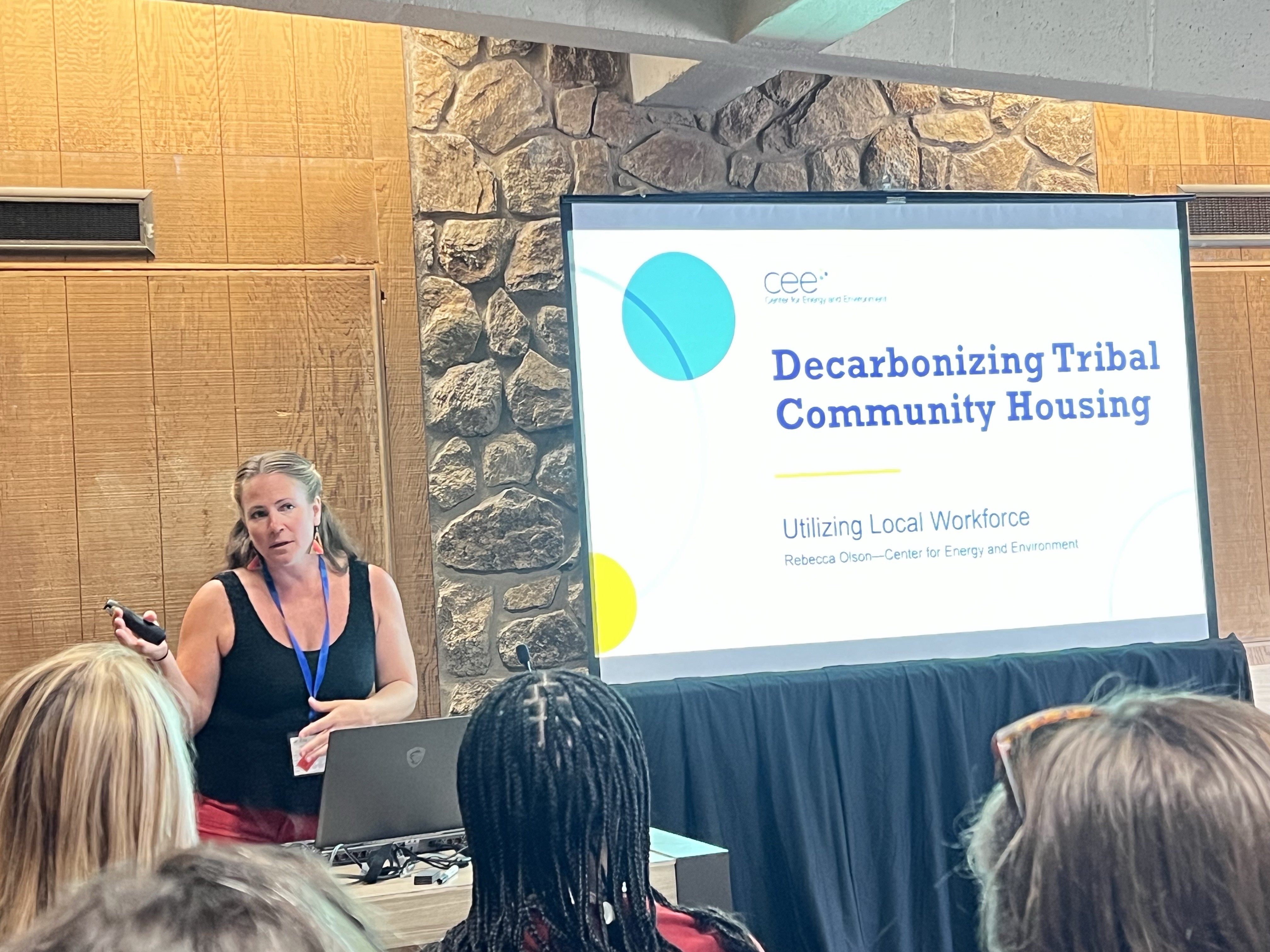
Becky Olson presented on CEE's implementation of a large energy efficiency retrofitting and workforce development program for Prairie Island Indian Community.
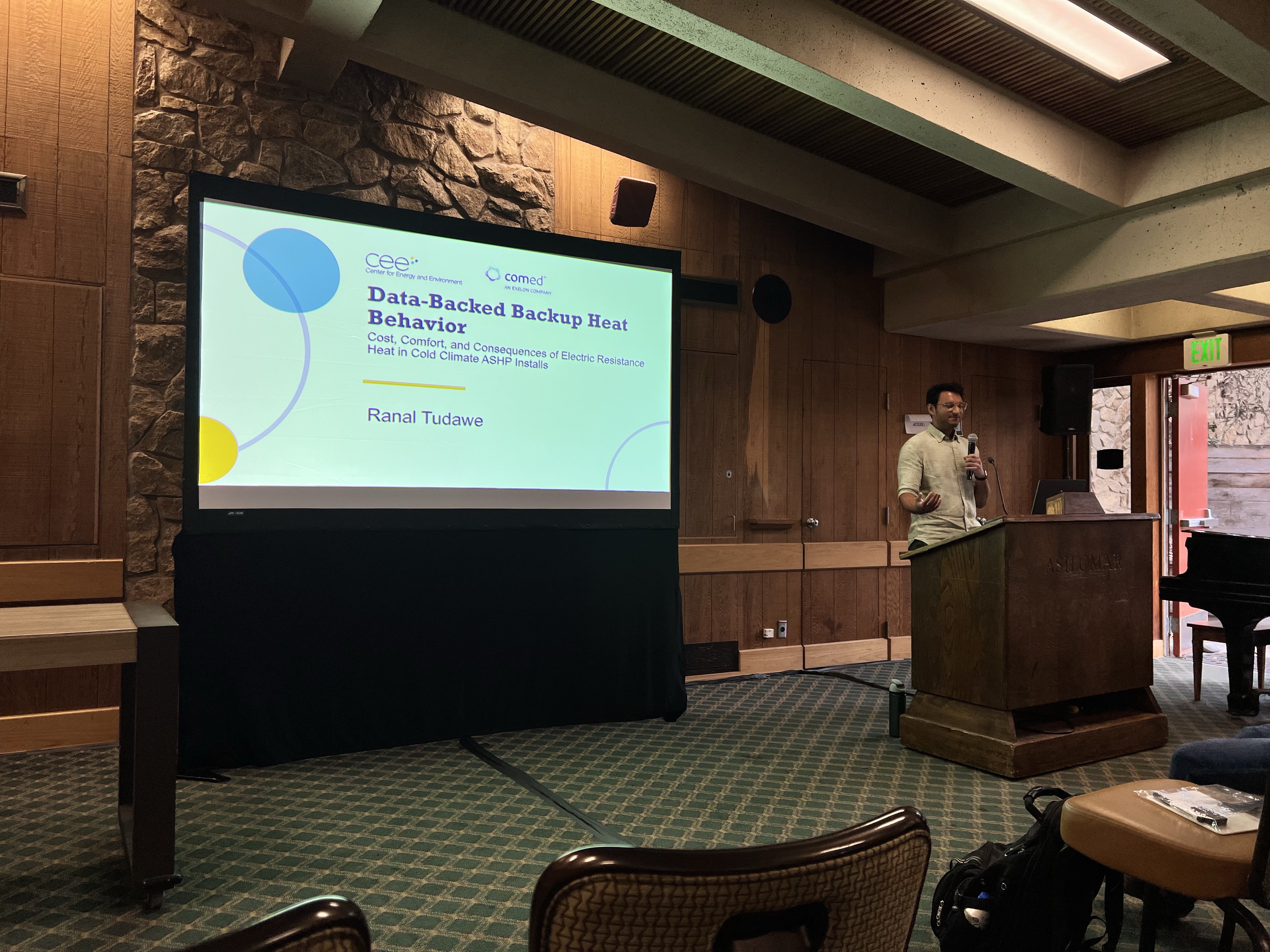
Ranal Tudawe examined how electric resistance backup heat performs in real-world, all-electric heating systems, in both single-family and multifamily homes.
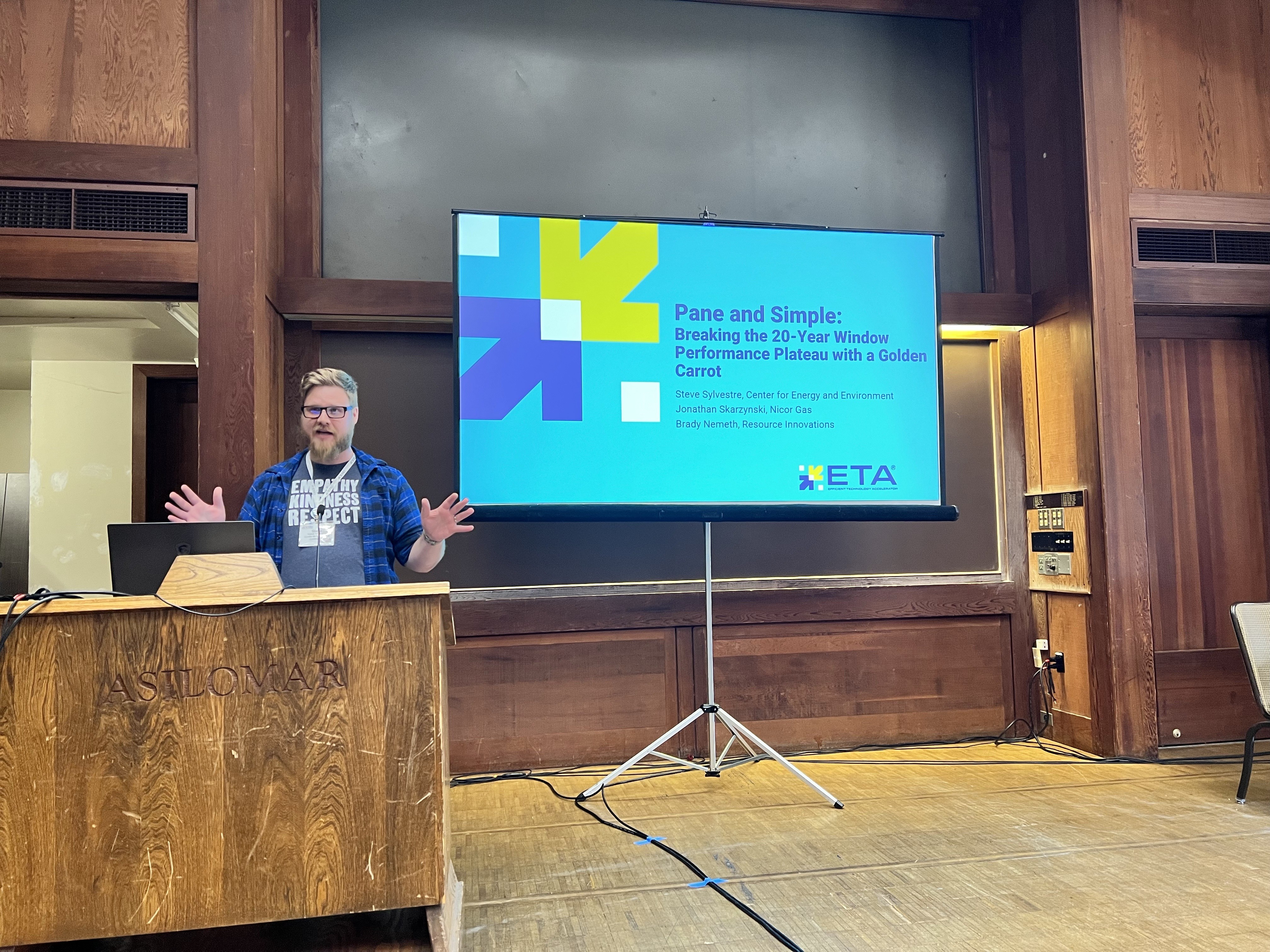
Steve Sylvestre unpacked the strategy behind Wise Window Hub's "golden carrot" incentive to develop a lower-cost triple-pane window.
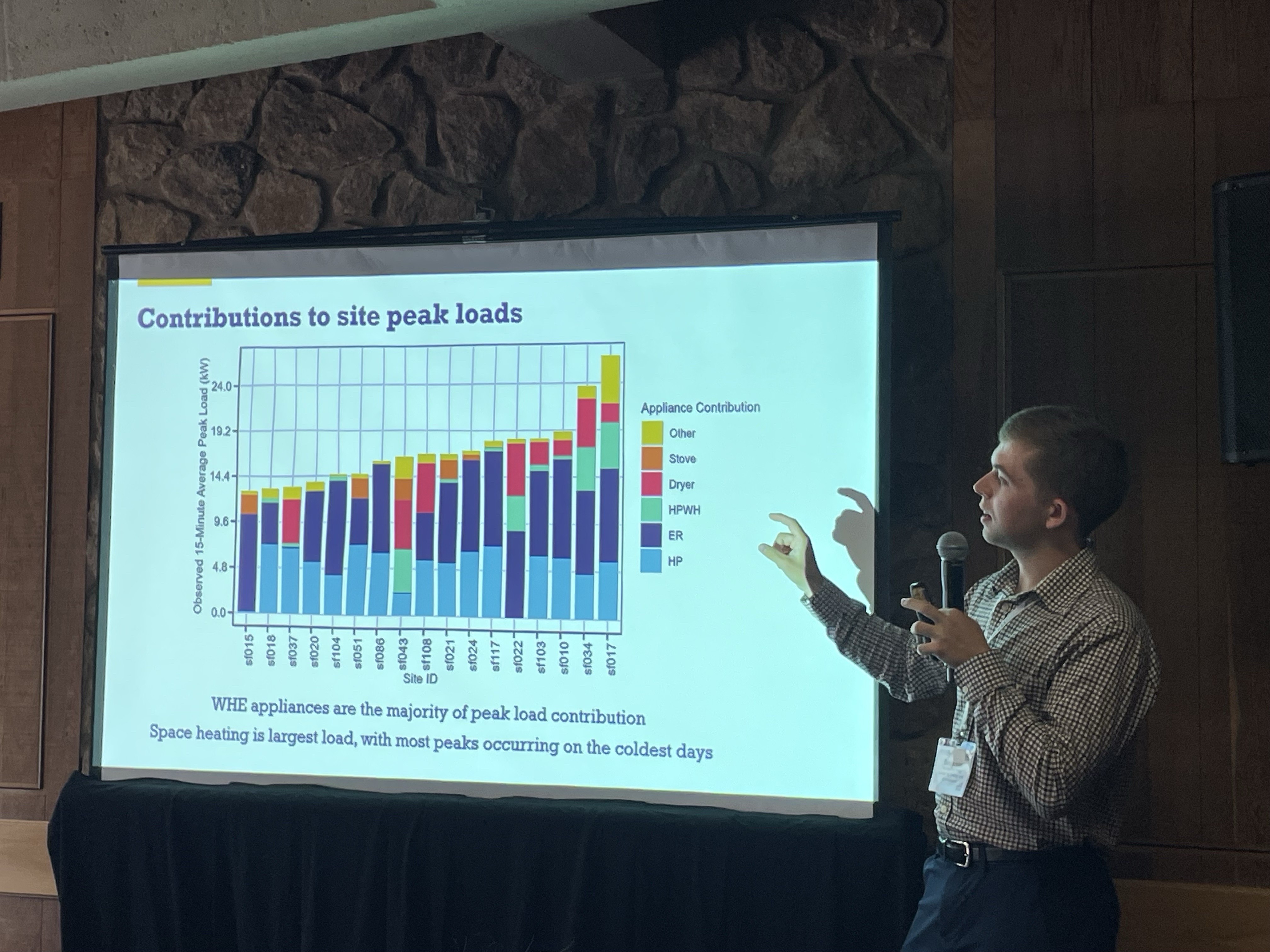
Ben King tackled the question of whether panel and service upgrades are necessary by examining the data from a study of 20+ whole-home electric retrofits in ComEd Go Electric programs.
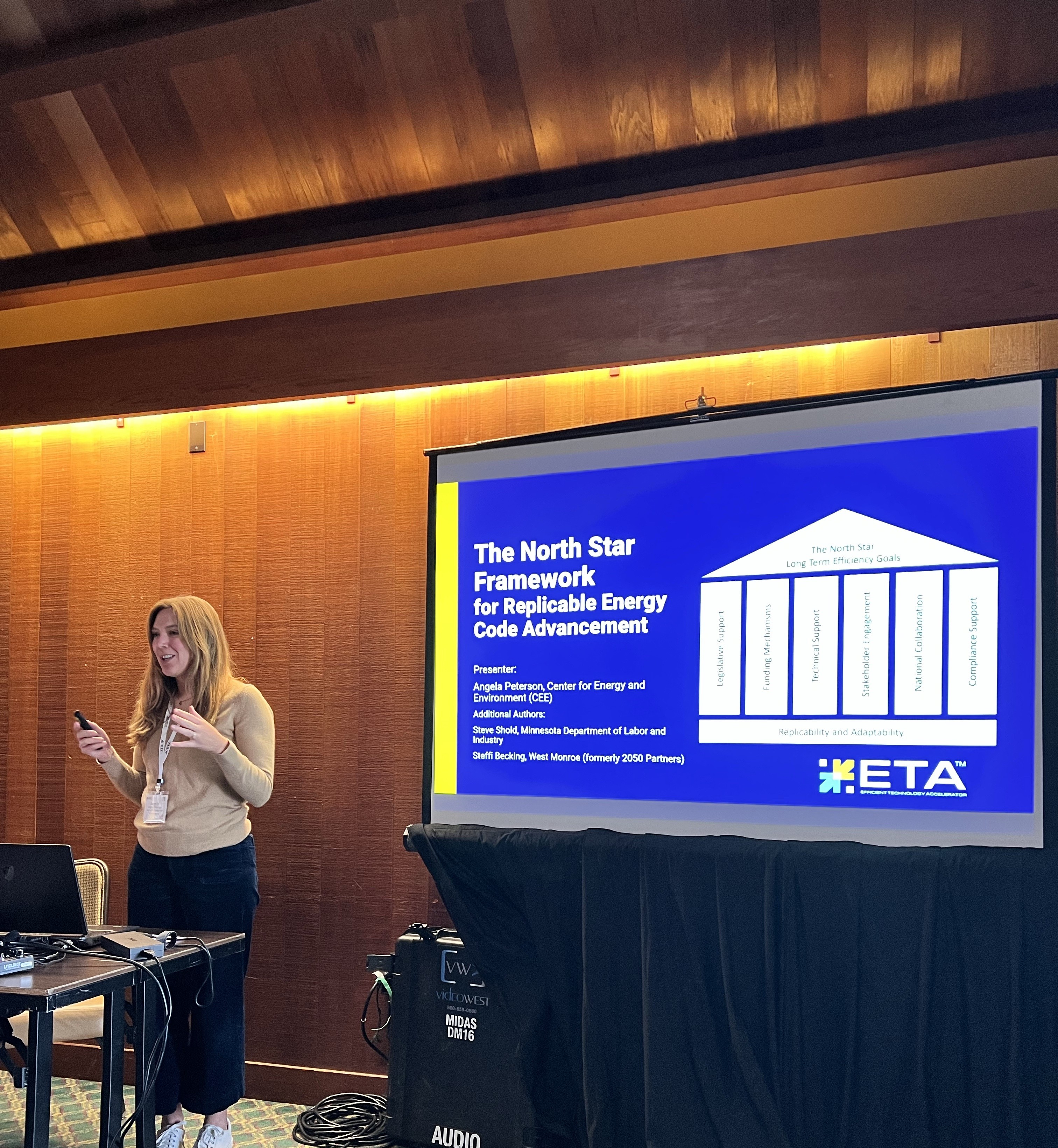
Angela Peterson detailed how Minnesota turned statewide efficiency legislation into a replicable playbook for energy code advancement.
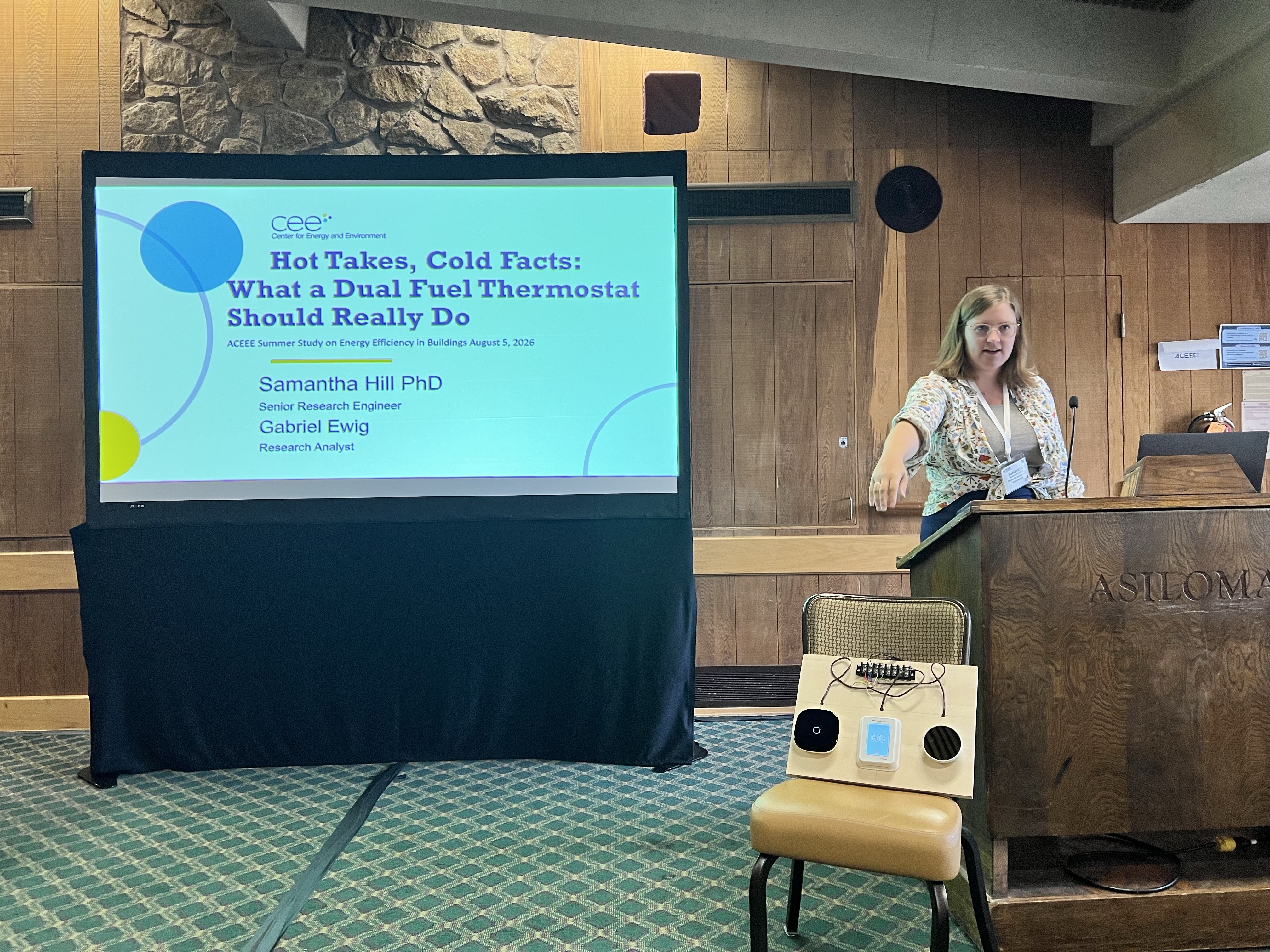
Samantha Hill covered what a "smart" dual thermostat actually needs to do to make dual fuel systems work.
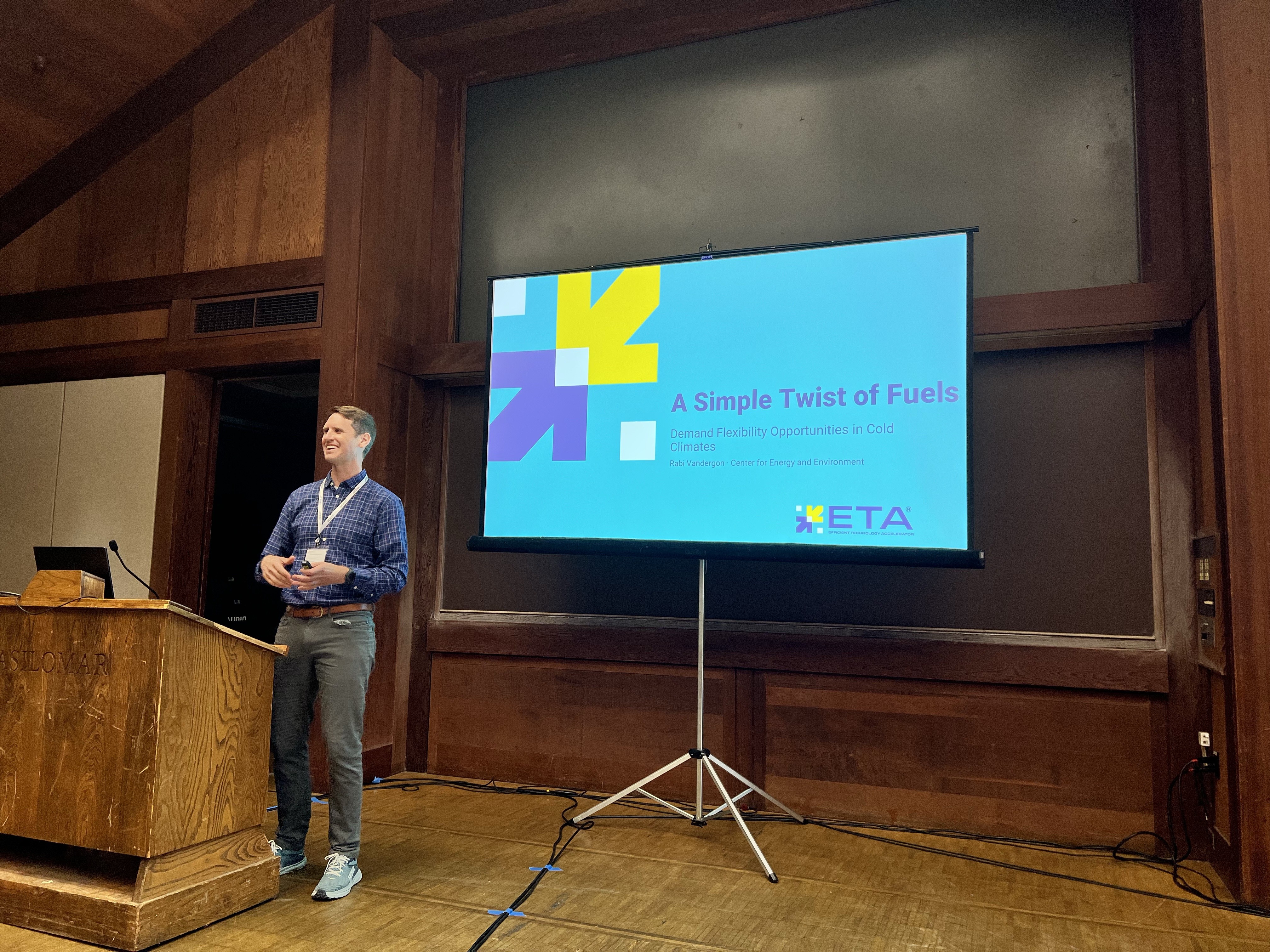
Rabi Vandergon outlined how to solve the "spark gap penalty" with a dual fuel path that saves cost and cuts carbon.