Pre-session sparks collaboration around demand-response for load-flexible technologies
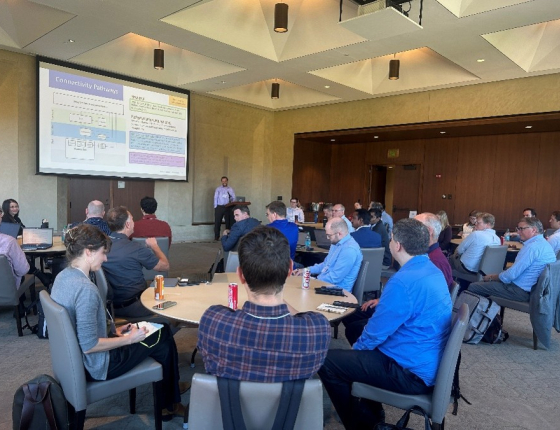
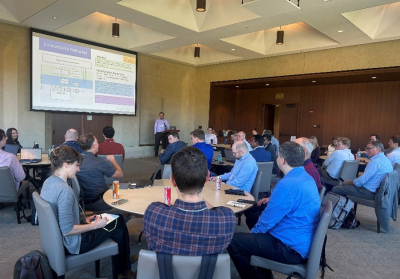
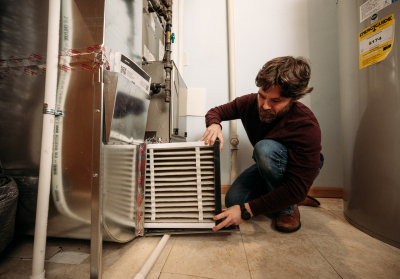
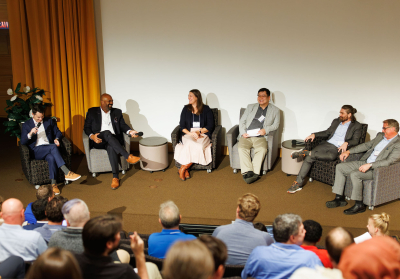
Ahead of the 2026 ETA Forum held on October 7, utilities, manufacturers, researchers, and market transformation partners gathered to discuss the future of commercial demand response for load-flexible technologies. While technologies continue to evolve alongside approaches to energy efficiency, the attendees shared a common goal: identify practical ways to implement demand response with commercial HVAC systems, to support grid reliability and maintain occupant comfort.
Facilitated by a national research leader, participants explored opportunities and challenges associated with integrating load management capabilities into commercial HVAC systems. The discussion also featured Tobias Barth, product development manager for commercial HVAC under Minnesota’s Efficient Technology Accelerator* (ETA), who shared updates on program-led building controls research and upcoming pilots planned for 2027–2028.
Conversations focused on balancing customer comfort, energy efficiency, cybersecurity, ease of operation, and utility program needs while creating solutions that can scale across a range of building types. Throughout the session, speakers emphasized the value of open collaboration and highlighted the importance of developing flexible approaches that avoid unnecessary complexity. Discussions reinforced that no perfect solution is available today and that continued coordination among stakeholders will be critical to advance the market. Utilities gained insight into manufacturer considerations, manufacturers learned more about utility program objectives, and researchers connected emerging technologies to real market needs.
Several participating organizations continued conversations through site visits across Minnesota to see the technologies in action, exchange ideas, and continue advancing efforts. The pre-session showcased a central tenant of the ETA program — long-lasting and robust market transformation requires input, collaboration, and buy-in from stakeholders across the industry and throughout the supply chain.
The pre-session set the table for many of the conversations that continued throughout the ETA Forum, highlighting the value of bringing nationwide perspectives and stakeholders together to tackle shared challenges. As interest in this topic grows, relationships and ideas generated by these discussions will help inform future market opportunities.
*Minnesota’s Efficient Technology Accelerator is a partnership funded by the state’s participating investor-owned utilities (IOUs) and consumer owned utilities (COUs), administered by the Minnesota Department of Commerce, Division of Energy Resources (DER), and implemented by Center for Energy and Environment (CEE).