This post complements our quarterly research newsletter, which features updates on CEE's research projects. Sign up to get this information in your inbox.
CEE staff presentations at ACEEE Summer Study made waves
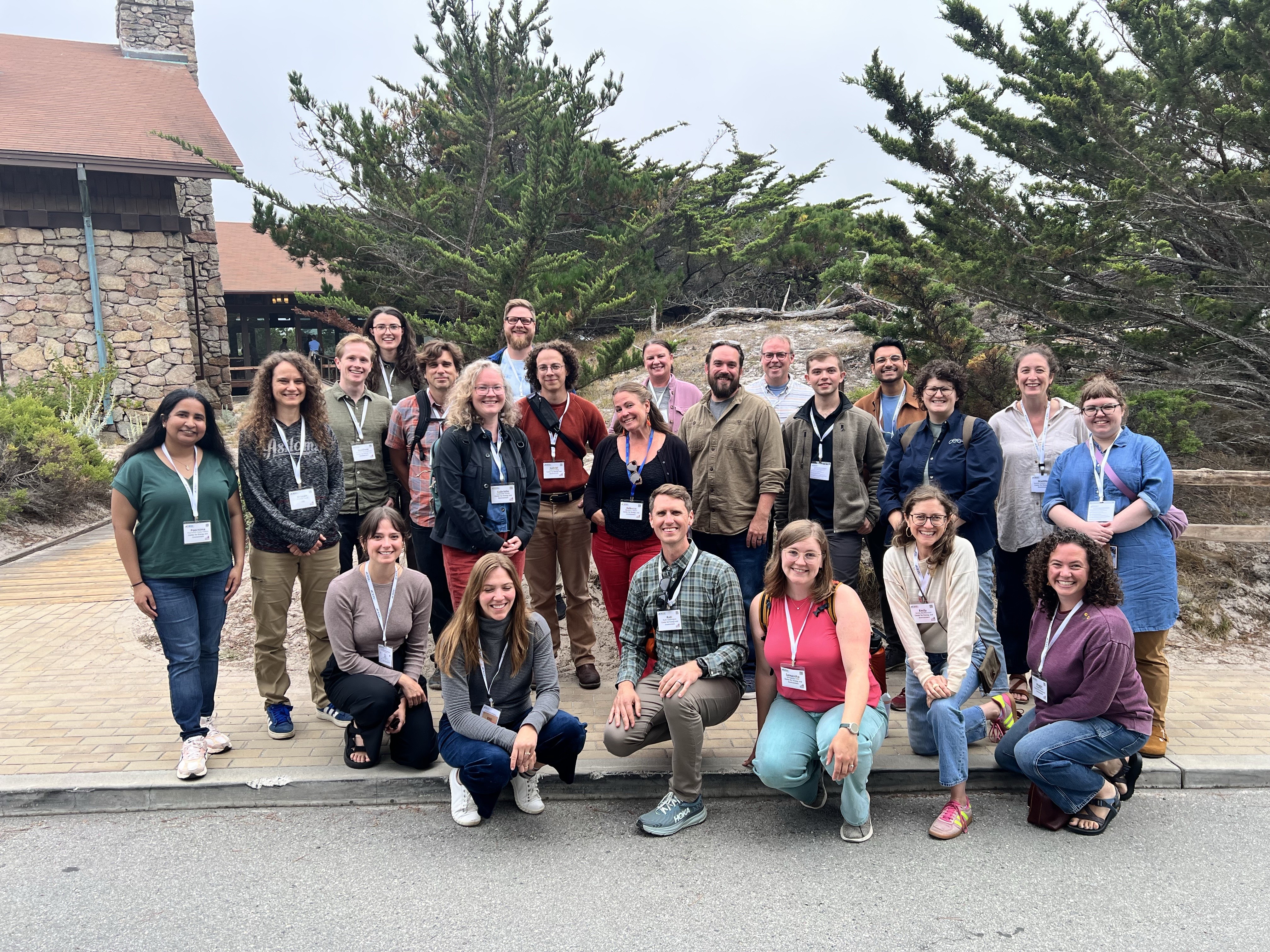
Update: Every two years, the American Council for an Energy-Efficient Economy (ACEEE) takes over the Asilomar Conference Grounds in Pacific Grove, CA, to host the Summer Study on Energy Efficiency in Buildings. It’s an opportunity for some of the brightest minds in energy efficiency to exchange findings and collaborate on new ideas that will move the building sector toward greater efficiency, affordability, and resilience. CEE’s team presence at this year’s Summer Study was one for the books. Ten papers from CEE staff members were accepted to present at formal panels, with speakers from our market transformation, residential, commercial, and research departments. The presentations spurred dynamic audience input, opportunities to apply findings, and questions for future work. Thank you to ACEEE for hosting this one-of-a-kind conference and providing our team with a platform to share how we’re discovering and deploying the most effective energy solutions that strengthen the economy and improve the environment.
MN Department of Commerce awards CEE over $2.7 million in research grant funding
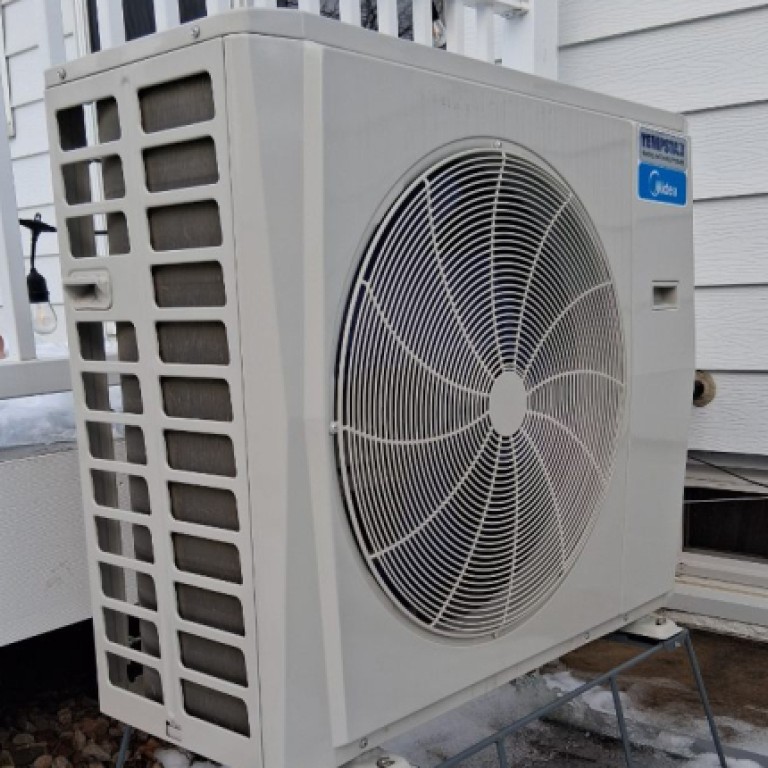
Update: Minnesota Department of Commerce has announced grants to Center for Energy and Environment (CEE) and its partners totaling $2,719,849 for 10 multiyear research projects that CEE will either lead or serve as subcontractor. In all, the Department’s Division of Energy Resources announced funding of $5.6 million for 21 projects in its 2026 cycle of Conservation Applied Research and Development (CARD) grants, including the 10 affiliated with CEE. The funding for CEE spans a dynamic and timely array of technologies and energy efficiency practices that have the potential to help Minnesota meet its ambitious decarbonization goals while lowering bills for residents and businesses. Research project scopes include analyzing duct performance to optimize heat pump installations; using smart valves to produce energy savings for commercial buildings; electrification heating potential in barns; maximizing heat pump operation in the coldest conditions; retaining radiators with compatible air-to-water heat pumps; a guide for successful residential heat pump water heater installation; field-testing newer heat pump products in multifamily buildings and hotels; and recommendations for electrical panel servicing and upgrades.
Read MN Department of Commerce's announcement
This work is supported by grants from the Minnesota Department of Commerce, Division of Energy Resources through the Conservation Applied Research and Development (CARD) program, which is funded by Minnesota ratepayers.
Heating load estimates and duct performance diagnostics for successful ASHP retrofit installations
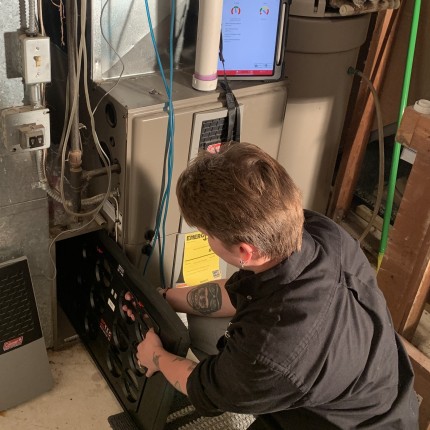
Background: Retrofit air source heat pumps (ASHPs) and duct systems must be properly sized to reduce energy costs and carbon emissions. This project will conduct load calculations and duct performance measurements in out-state 1–4 unit residences, complementing the results of a current Twin Cities study. The results will inform recommendations for load-estimating methods for homeowners, auditors, and contractors. They will also determine how often existing ducts can accommodate larger-capacity ASHPs with or without weatherization and duct improvements.
Update: The project team is currently recruiting sites for this project. Participants should reside in single-family homes in out-state Minnesota and have a centrally ducted forced air heating system (AC is not required). Testing will take place on a single day and should take approximately four hours. Participants will receive a $100 incentive.
Apply to participate in the project
This project is supported in whole by a grant from the Minnesota Department of Commerce, Division of Energy Resources through the Conservation Applied Research and Development (CARD) program.
Establishing protocols for a commercial ERV tune-up service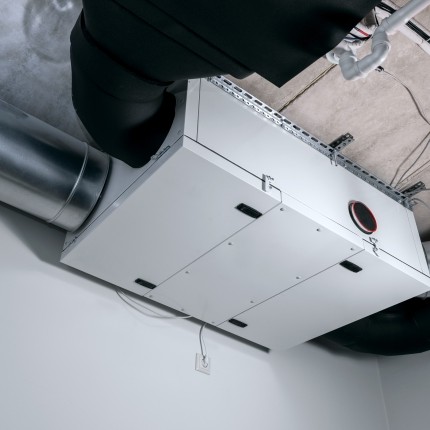
Background: Energy recovery ventilators (ERVs) were identified as the top commercial natural gas savings measure in a 2018 CARD potential study, accounting for 16% of commercial natural gas savings potential from 2020–2029. For this project, the research staff will work closely with vendors, building owners, and ECO staff to gain a current, comprehensive understanding of market and technical issues related to a proposed ERV tune-up service. The project team will combine this understanding with lessons learned from a previous ERV CARD study to develop a protocol that contractors can use to quickly identify the most common, energy-intensive operational problems for commercial ERVs.
Update: The project team is currently finalizing an interim report on this ongoing work. This market and technical evaluation report summarizes qualitative data on ERV design, installation, and operation from key stakeholder groups and quantitative data on ERV implementations. Stakeholder interviews support the need for a prescriptive ERV tune-up service, with several respondents reporting that the wheel-type ERVs are prone to mechanical failures and controls misconfigurations. The team found that correcting controls issues is generally cost-effective, while the business case for projects that require major ERV component replacement is not as strong due to high labor and material costs. However, regular maintenance can prevent the need for costly repairs, further justifying the tune-up program.
This project is supported in whole by a grant from the Minnesota Department of Commerce, Division of Energy Resources through the Conservation Applied Research and Development (CARD) program.
MEDIA CONTACT
Tim Hanrahan, thanrahan@mncee.org