Minnesota winters can be extreme, and summers are becoming equally intense. Weatherizing your home, or making sure it’s sealed against the outside conditions, can help keep drafts and hot spots to a minimum while reducing unnecessary stress on your mechanical systems. Residents of weatherized homes may experience benefits like improved energy efficiency, lower energy bills, more comfort throughout the home, and improved indoor air quality.
Maximize comfort and minimize bills with weatherization
To make the most of other energy efficiency improvements, ensure your home is properly air sealed and insulated. A properly weatherized home requires less energy to heat or cool and maintains temperature much better than an average home. Weatherization upgrades often pay for themselves, particularly when it comes to lower energy bills and lower upfront costs for other upgrades, like electrifying heating and cooling with an air source heat pump (ASHP).
Identify opportunities with a home energy assessment
The first and best way to start weatherizing is to have a home energy assessment, also called an energy audit, to find where your home has air leaks or inadequate insulation. An energy audit will help you determine items that may need professional remediation and could show you easier do-it-yourself repairs and upgrades that could result in immediate savings on your energy bills. A home energy assessment can cost between $100 and $1,500, depending on your home’s location, size, and complexity, as well as the audit type and features, but many utilities subsidize the cost to help their customers save energy.
Where to weatherize in your home: Air Sealing, insulation, windows, and doors
Once you’ve identified your opportunities, you can tackle specific weatherization projects.
Air Sealing: Finding and fixing leaks
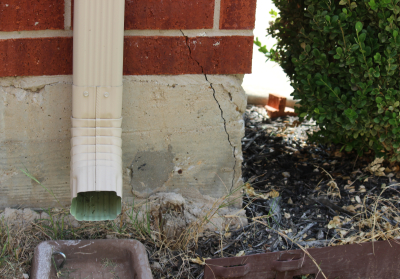
When it comes to air leaks, you probably already have some idea of where they are. What areas are cold during the winter or hot and muggy during the summer? Where do you feel drafts? Air leaks make your heating and cooling system work harder and use more energy to maintain your comfort. If you’d like to improve your home’s energy efficiency, sealing those air leaks is a good place to start. Depending on what you find, you may be able to DIY your home's air sealing or you can contact an air sealing contractor in your area for a quote.
Insulation and R-Values
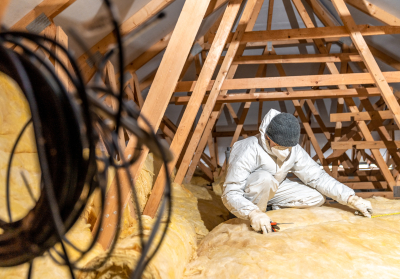
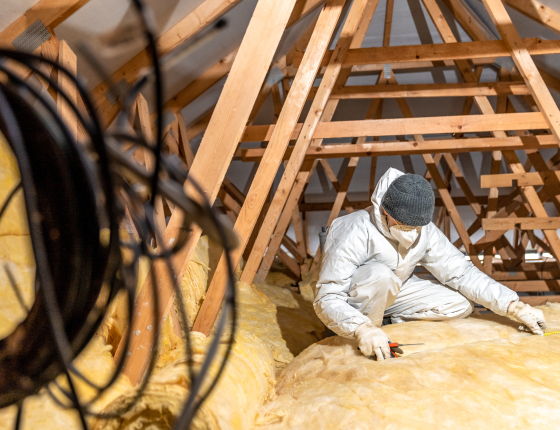
Attics are common areas of energy loss in American homes, especially in older homes. Older attics usually have inadequate insulation, if they have insulation at all. Improper attic insulation can force your heating and cooling systems to work harder to make up for the losses. Attics can also contain ductwork for your heating and cooling system and wiring for ceiling lighting and fans, which can cause air leakage into the home if improperly sealed.
The Department of Energy recommends specific levels of insulation, measured using insulation R-values, for different regions in the United States. R-value measures how well the insulation stops heat from entering or existing the home. A higher R-value means the home is better insulated, which makes it more energy efficiency and comfortable.
If you’ve had a home energy assessment, it may have measured the R-value. Otherwise, an insulation contractor will be able to help with attic insulation and air sealing to get your home to the recommended R-value. Depending on the age of the home, you may also need wall insulation. A contractor may also recommend other kinds of insulation, like rim joist insulation or crawlspace insulation.
Sealing and upgrading windows and doors
Windows are responsible for 25%–30% of residential heating and cooling energy use. Air leaks through gaps while heat travels easily through inefficient or old windows, but typically the larger concern is ensuring the frame and area around the window are properly sealed. A home’s exterior doors can also contribute significantly to air leakage and energy loss, especially if they are old, uninsulated, improperly installed, or not air sealed correctly.
If your windows and doors are in good condition, you don’t have to replace them, but minor updates could improve your home’s efficiency. Fixing drafty windows may include caulking, installing door weather-stripping, window weather-stripping, storm windows or storm doors, energy efficient window coverings, or solar control window film.
Prioritizing weatherization upgrades
Weatherization upgrade costs and benefits vary with each home. The high-priority items are relatively easy improvements that quickly result in benefits and energy savings in most homes. The lower priority items are more expensive or labor intensive and are usually done when a homeowner is looking to do a complete renovation, or an obvious need is presented.
High Priority
Air seal known cracks or gaps with caulking, gaskets, or weather-stripping
Air seal the attic, basement, and wall partitions
Increase or improve attic insulation
Insulate and air seal the basement rim joist
Add storm windows or window film to existing windows
Replace damaged windows and doors
Low Priority
Install new windows and doors
Increase or improve wall insulation
Costs and savings of weatherization
Weatherization is typically cost effective when you consider the long-term bill savings that come from increased efficiency. There are also financial incentives available to help offset the costs of weatherization upgrades. Weatherized homes are better prepared for additional energy efficiency improvements, like installing an air source heat pump, which can lead to additional savings over time. Contact a contractor in your area today to get an estimate of what your home will cost to upgrade.
From assessment to upgrade: What to do next
If you’re ready to start weatherizing your home, we put together a checklist of the next steps you can take to prepare for upcoming projects.
- Contact a professional energy auditor to perform a home energy assessment.
- Using the assessment, determine priorities for your home improvements.
- Contact local contractors to get quotes.
- Hire a contractor that best fits your needs.
- Use local, state, and federal programs to assist with funding the upgrades.
- Enjoy the comfort of your weatherized home.
Your weatherization projects will help you be more comfortable at home, no matter the outdoor temperatures, while you save on energy bills. When combined with the available financial incentives, weatherization becomes even more cost-effective, making it a win-win for homeowners.