Structural upgrades: The foundation of an efficient home
When it comes to efficiency, there’s no one right way to approach your projects. You could start in the attic and work down, in the basement and work up, or in the middle of your home with a project like electrifying your kitchen. That flexibility can help you plan around your lifestyle and budget but can also make it difficult to know where to begin. For many people, starting with the structure of their home leads to some early efficiency wins that help them build their momentum for future projects.
Start with your home's structure
Two of the major areas of home maintenance that impact efficiency are the foundation and roof. Combined, these two components of your home can have a significant impact on your home’s energy use, carbon footprint, and utility bills.
Roof and attic upgrades that cut energy bills
Hot air rises and usually brings moisture with it. When warm, moist air exits the heated and cooled areas of your home and enters your attic, it can cause moisture damage to the roof deck or cause ice dams, both of which can create long-term damage to the roof.
If you notice uneven snow melt on the roof or small areas of ice dams causing icicles, those may indicate that your home could benefit from additional air sealing.
There are short-term solutions to these problems, like electric heating cables that can melt snow and ice, but they can cause damage to the roof over time and increase your electric bills.
Instead, focus on long-term repairs, like air sealing and insulating your attic. Air sealing an attic space usually involves caulking or spray foaming any open bypasses to the attic, which may include the plumbing stack, chimney, or top plates of your walls. A professional will know what to look for.
Once the air sealing is done, you can insulate your attic. Insulation is measured with an R-value, which measures a space’s resistance to heat transfer and how effective insulation is. In Minnesota, the ideal R-value for an attic is R-50.
Even with air sealing and insulation, it’s important to be aware that some weather conditions cause icicles to form regardless of how well sealed and insulated your attic is. For example, if there has been a large jump from warm temperatures to cold ones and there has been recent precipitation, icicles may form even on a well air-sealed home.
Foundation
Foundation drainage and moisture control
The foundation of your home can be easy to overlook because it’s rarely as visible as your attic and roof. That said, taking care of it is vital to your home’s overall longevity and resilience.
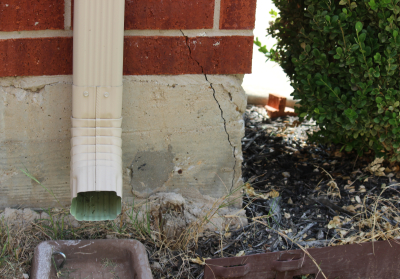
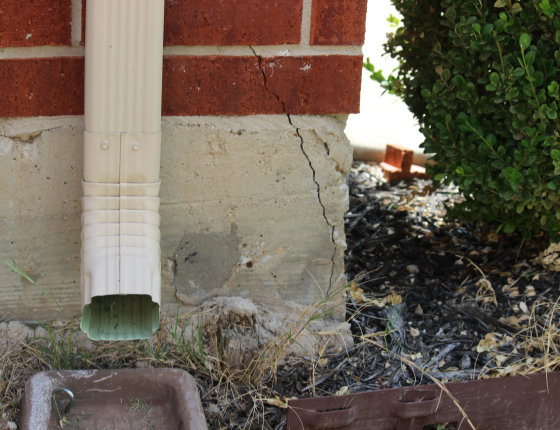
One major contributor to foundation issues in a home is excess moisture, which can build up against the home from the outside.
Check your gutters and grading
- Make sure your gutters are clear of debris: During heavy precipitation, clogged gutters can leak and cause pooling around a home’s foundation.
- Pooling can lead to moisture leaking through your foundation: While you’re looking at the gutters, check the downspouts to make sure they extend away from the foundation to keep moisture away from the foundation.
- Turn the downspouts slightly up in the winter to prevent them from becoming blocked by ice: Ice can cause blockages that cause backed up water to pool, which can create ice dams in the winter. It also prevents slipping hazards if your downspouts lead to any concrete areas.
You can also check the ground around your home for areas that can cause pooling moisture and foundation damage. If the ground around your home is flat or slopes toward the home, you should consider regrading the ground. Regrading increases the slope away from a home to ensure that water moves away from the home instead of back toward the foundation. Depending on the scope of the project, this may be a project that you can do yourself. Otherwise, you can work with a landscaping contractor to complete this.
Laying the foundation for energy efficiency
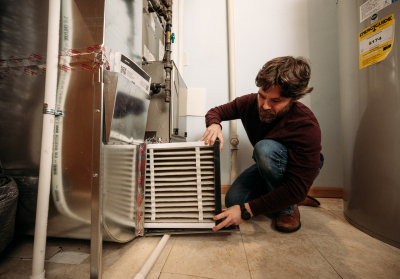
Paying attention to the structure of your home is vital as you plan any future projects, including energy efficiency upgrades. Projects like air sealing and insulation help your home’s mechanical systems perform better because they are no longer overcompensating for any leaks. Beyond that, a healthy and safe structure will help the home be resilient, functional, and safe for occupants. If you’re considering roof, attic, or basement projects, a home energy assessment can help identify any areas of concern and create a plan to address them. can help you identify any areas of concern and create a plan to address them.