Home electrification increases efficiency, improves indoor air quality, and positively impacts the climate. If you’re interested in transitioning your home appliances to efficient electric versions, this article will cover your options. Electrification is achievable even in a cold climate like Minnesota, and incentives are available to reduce costs for these projects.
Weatherizing to prepare for electrification
In some cases, you will need to prepare your home before electrifying. Upgrading your electrical panel and weatherizing your home are two common pre-electrification projects.
- In many old homes, the electrical panel will have to be upgraded before adding new major electrical appliances. To find out if this is necessary for you, consult an electrician.
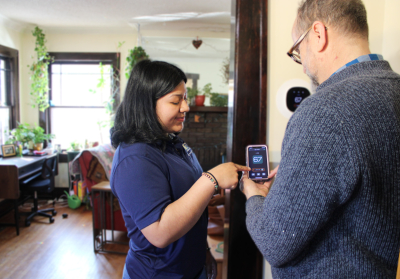
- Weatherization is the process of insulating and air sealing to ensure your home can withstand outside conditions. This makes the home more efficient and comfortable and reduces the strain put on heating and cooling systems. If you're unsure whether your home needs insulation, a Home Energy Squad® visit can help.
Once your home is prepared, you can start considering the appliances you want to electrify.
Your electrification options
When it comes to electrification, you have several options for the technology and equipment you can electrify in your home. Typically, homeowners choose to electrify one or two areas at a time when it is necessary to replace existing equipment.
Space heating and cooling
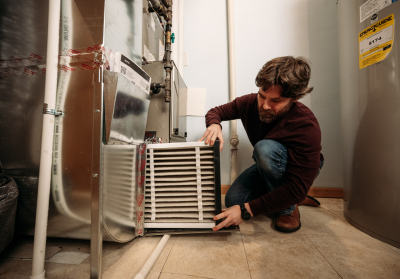
Heating and cooling systems use the most energy of any appliance in Minnesota homes. Air source heat pumps (ASHPs) are highly efficient electric systems that can heat and cool. They can replace air conditioners, transferring heat energy in the air and moving it outside to cool your home. In the winter, they work in reverse, taking heat energy from outside and bringing it inside for heating. If you currently have a furnace or central air conditioning, an ASHP will connect to your ductwork. If you currently have a boiler, you will need ductless ASHP heads in your home, sometimes referred to as mini-splits.
Heat pumps cool more efficiently than traditional air conditioners and heat more efficiently down to a set temperature, usually between 0°F and 40°F. In Minnesota, a backup heating system of your choice is required for very low temperatures.
If you want to learn more about heat pumps, the Minnesota Air Source Heat Pump Collaborative website has a network of trusted contractors, a heating and cooling savings estimator, and other resources for homeowners.
Water heating
A heat pump water heater is a high-efficiency electric system that can lower the cost of heating your domestic hot water. To install a heat pump water heater, you will need to update your electrical system and cap and remove the existing gas line. Some companies will do all required steps, but you may need multiple contractors to complete the project. Electrify Everything Minnesota maintains a network of contractors who will install heat pump water heaters.
Clothes drying and cooking
You may also want to electrify your clothes dryer and stove. These projects require 240-volt outlets, which an electrician can install.
A standard electric clothes dryer will operate more like a gas dryer and require venting to the outside. Typically, installing a standard electric clothes dryer will increase your cost per load. A heat pump clothes dryer, on the other hand, is an electric option that uses heat pump technology to move heat energy in the air for drying. These do not need to be externally vented, but the drying cycle will take longer than a gas system. You can see more comparison points between the two systems here.
If you want to replace your gas stove, you have options. You can choose a standard electric option or an induction stove, which is another electric option that is more efficient. A standard electric stove operates just like a gas stove but with electricity. An induction stove is more efficient and uses magnetic technology. Induction stoves cook more quickly but require specific cookware. You can see more comparison points between these two systems here.
Make the switch to electric
Electrification has several benefits. Your home will have a lower carbon footprint with fewer gas appliances, making it more climate resilient. Moving away from gas will also improve indoor air quality and remove safety concerns, like open flames in a traditional gas stove. Finally, many electric technologies and the preparation needed to electrify will work together to improve the overall comfort of your home.
If you're interested in electrifying but the cost feels prohibitive, look for rebates from your local government or electric utility. If you’re not sure where to start, we recommend getting a home energy audit to learn more about your home’s current systems. If you're a CenterPoint Energy or Xcel Energy customer, Home Energy Squad will provide your audit. If you have another utility, contact them to learn more about your options. No matter where you start, knowing more about your home is the first step in updating it.