In cold climate states like Minnesota, few things are as important to daily life as the energy it takes to heat, cool, and power buildings. Energy conservation and decarbonization are central to our state’s policy goals because they are key to our residents’ and economy’s ability to thrive and prosper, now and in the decades to come. There are many organizations contributing to the evolution of the energy landscape, and CEE has been part of every step of that progress. Because of this, staff at CEE have the rare advantage of learning what works and why.
Browse CEE's 2024 Impact Report
Innovative energy solutions require several levers: robust research, technology and market assessments, advanced engineering principles, smart public policy, stakeholder feedback and consensus, adequate financing, workforce development and ongoing education, and community engagement and support. CEE’s team can support the aims of utilities, communities, and organizations by utilizing our expertise across these disciplines.
Market Transformation: Building the case for better technologies
Through Minnesota’s Efficient Technology Accelerator (ETA), market transformation is a strategy to accelerate deployment and lower the cost of emerging and innovative technologies through key market interventions. The program saves Minnesotans money by speeding and easing the adoption of today’s most energy efficient technologies. ETA currently supports a portfolio of promising technologies by deeply understanding the technologies and markets in which they exist and overcoming barriers to adoption and leveraging opportunities to scale.
This work typically entails:
- Extensive market research
- Technology investigation and field-testing
- Manufacturer and distributor engagement
- Contractor training and education
- Marketing strategies and toolkits
- Long-term monitoring and tracking of technologies
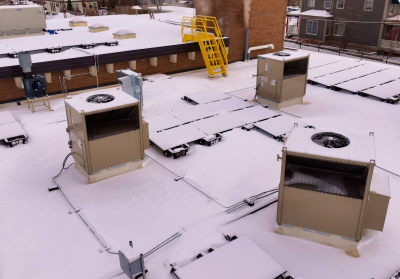
The five key initiatives include the ASHP Collaborative, Wise Window Hub, LLLC Initiative, Next Gen RTUs, and Minnesota Advanced Energy Codes Partnership. The approach and initiatives are accelerating momentum toward lasting transformation in Minnesota’s building and energy landscape.
A few market transformation highlights include:
- The ASHP Collaborative has developed a robust training network with classes that help participants design, sell, and install heat pumps. The training curriculum was developed in collaboration with utilities, distributors, and manufacturers to be relevant and responsive to the industry’s needs. Coursework focuses on customer research and trends, sizing and design considerations, incentives and financing opportunities, and tools to support increased sales and installations of heat pumps. In-person training events satisfy requirements to join the Collaborative’s Preferred Contractor Network, a growing tool that connects homeowners with high-quality heat pump installers.
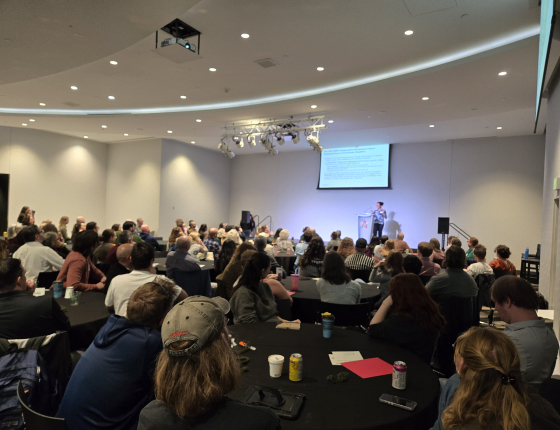
- The Luminaire-Level Lighting Controls (LLLC) initiative offered a series of workshops for lighting contractors, designers, distributors, manufacturer reps, and others. Held in St. Paul, Duluth, Rochester, Elk River, and Minneapolis, the workshops provided hands-on learning experience to advance participants’ understanding of the features and benefits of LLLCs, which offer greater flexibility and control for managing energy use. Several attendees highlighted the immediate value and takeaways gained.
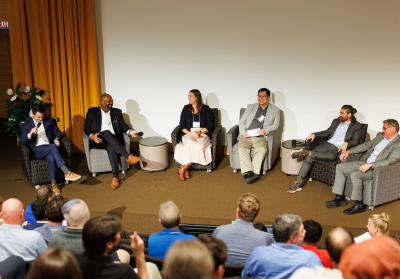
- The first ETA forum brought together experts, local stakeholders, and construction industry professionals on topics to advance energy efficiency in Minnesota through promising technologies and research-backed policy goals. The event, “Shaping the Future of New Construction,” tackled the question of how we can achieve Minnesota’s aggressive climate goals through energy codes in design and new construction. By assembling these experts in conversation, the event successfully conveyed the larger ecosystem that energy code policy emerges from and feeds into to effect greater and longer lasting change.
Minnesota’s ETA is funded by investor-owned utilities, administered by the Minnesota Department of Commerce, Division of Energy Resources, and implemented by CEE. The CEE team has been well positioned to support the success of the Department of Commerce’s program because of their range of experts and experience in the following areas.
Research and Analysis
CEE consistently delivers the most cutting-edge research and data analysis, in the field and through our proprietary modeling software, to provide actionable insights that reduce energy use and lower costs. We have conducted program-defining research for the MN Department of Commerce, the Department of Energy, major utility companies in Minnesota and beyond, and Tribal Nations. Our findings span building electrification, load flexibility, emerging technologies, and market readiness and have shaped legislation in Minnesota, defined technological best practices, informed utility pilots, and more.
Policy Development and Strategy
CEE’s policy team has been a leader in crafting, modifying, and gaining consensus on key pieces of energy policy at the Minnesota state legislature, including the Energy Conservation (ECO) Act and key updates to it that reflect our ever-changing energy landscape. The team has also helped build a practical regulatory framework that benefits all Minnesotans while contributing to decarbonization efforts. Our policy work helps communities consider, explore, and implement actionable energy solutions that turn promise into practice.
Program Design and Implementation
CEE partners with utilities, funders, and communities to design and deliver energy efficiency programs that work in the real world. Rather than relying on one-size-fits-all models, CEE tailors each program to the goals, markets, and audiences it’s meant to serve, whether that’s accelerating technology adoption, improving access, or driving long-term savings. Well-known efforts include the Home Energy Squad, which has served over 10,000 homes in the last few years, and the One-Stop Efficiency Shop, which has been in existence for over 25 years and more than 13,000 GWh saved. Our hands-on, adaptive approach helps ensure programs are practical, scalable, and positioned for lasting impact.
Contractor Training
CEE has recently partnered yet again with the Minnesota Department of Commerce to deliver the Minnesota Home Energy Training (MNHET) program to recruit, train, and support energy efficiency careers across the state. CEE staff have ample experience designing and delivering impactful home energy curriculum. MNHET builds on a nearly 50-year legacy of home energy training in the state. CEE provides additional contractor trainings and resources through our ETA initiatives like the ASHP Collaborative, which build up the highly trained workforce needed to support the energy transition across the state.
Workforce Development
Since 2022, CEE has trained dozens of Minnesotans through career training cohorts funded by Xcel Energy and CenterPoint Energy. Graduates have gone on to internships and jobs in energy auditing, insulation installation, HVAC, and more. A recent cohort in St. Cloud, MN surpassed expectations, with participants from diverse backgrounds earning building science credentials and gaining momentum in this high-growth field.
At CEE, the answer to the clean energy transition doesn’t rest in a single program — it exists at the intersection of research, technical expertise, market strategy, workforce development, and community engagement. For more than four decades, CEE has partnered with utilities, cities, nonprofits, and businesses to deliver practical, data-driven solutions focused on innovation, equity, cost-savings, and scalable impact. We know that every community, municipality, home, business, and utility requires a unique approach to energy planning. The only question left is how can we help you reach your goals?