Evaluating retention of existing radiator distribution systems for cost-effectiveness
Overview
Homes that are heated using boilers and radiators have presented a challenge for electrification efforts. Current electrification opportunities for these typically include costly forced-air conversions. Data from the National Renewable Energy Laboratory (NREL) ResStock database estimate 83% of boiler-heating homes are at or below 150% area median income (AMI) and 53% are at or below 100% AMI.
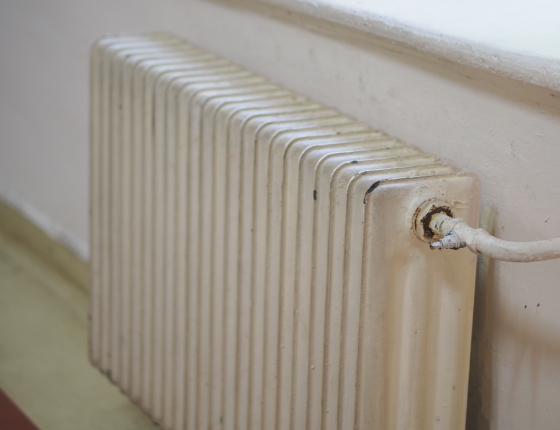
This project will focus on the compatibility of air-to-water heat pumps (AWHPs) as a competitive technology that can significantly benefit underserved communities with limited incomes seeking to electrify boiler-heated homes. While AWHPs have demonstrated up to 50% heating energy savings in Minnesota homes, questions remain about their compatibility with traditional radiators as they supply lower temperature water than existing boilers. The project team will evaluate the potential to retain existing radiators when installing electrified AWHP HVAC systems by characterizing the relationship between their heating load and the designed capacity of their heat emitters.
Highlights
Objective
- Characterize the relationship between the designed capacity of existing radiator systems and the true home heating load.
- Model the capabilities of an AWHP system to supply the heating load of boiler-heated homes at a lower water temperature.
- Analyze the impacts of AWHP installation with and without home weatherization measures, comparing these results against other heating electrification options.
Scope
- Develop a model to relate radiator design to radiator capacity, comparing against home heating load.
- Recruit 25–50 homes with boilers and radiators as their primary heating system and determine the applicability of AWHPs in these homes by comparing the design output capacity of their radiators to their true heat demand.
- Use energy models to generate case studies for up to 10 of the recruited homes, evaluating the technical and achievable energy, environment, and economic impacts of AWHPs compared to the existing system and to other electrified heating options.
Non-energy benefits
- AWHPs can yield significant bill savings, especially for low-income households that currently have few electrification options for space heating.
- Displacing on-site fossil fuel combustion improves air quality and home safety.
- Residents who prefer their current radiant heating may be able to retain this type of distribution system with an AWHP.
Funding
This project was supported in whole by a grant from the Minnesota Department of Commerce, Division of Energy Resources through the Conservation Applied Research and Development (CARD) program.