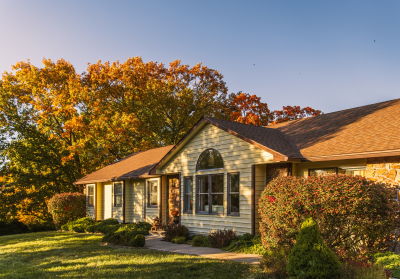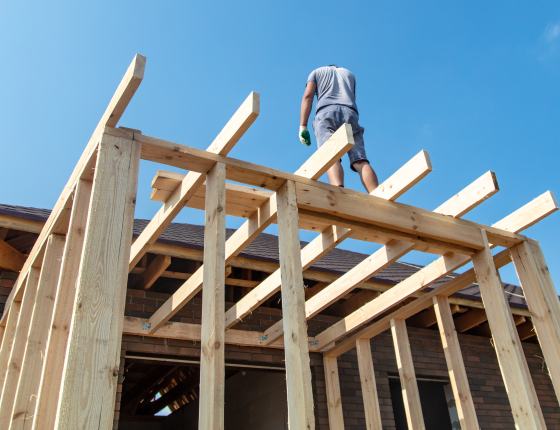
Energy codes are not abstract policy. They are the rules that determine how efficiently buildings must use energy, from homes and apartments to offices and schools. In simple terms, energy codes set minimum requirements for insulation, windows, lighting, heating, cooling, and ventilation, so buildings don’t waste energy by default.
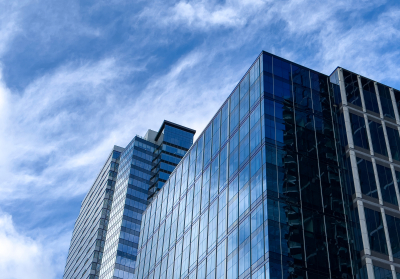
At a systems level, energy codes ensure that new construction and major renovations meet a baseline of performance that reflects modern technology, current costs, and real-world operating conditions. In the U.S., most states rely on model codes such as the International Energy Conservation Code for residential buildings and ASHRAE Standard 90.1 for commercial buildings, with oversight and technical analysis from the U.S. Department of Energy.
Why energy codes matter to you
Whether you’re a homeowner, renter, builder, policymaker, or utility planner, energy codes quietly shape outcomes that impact your wallet and your comfort.
First, energy codes lower operating costs. Buildings built to modern codes use less energy over their lifetime, which translates directly to lower utility bills. These savings are locked in on day one and do not require a behavior change.
Second, energy codes protect consumers. They prevent sub-standard construction with lower upfront costs that ultimately results in significant long-term costs through high energy use, poor comfort, and maintenance issues. Codes create a level playing field where efficiency is standard, not an upgrade.
Third, energy codes improve comfort and health. Better insulation, tighter envelopes, and modern ventilation standards stabilize indoor temperatures, increasing passive survivability outcomes during extreme weather events and power outages. More efficient energy codes also result in improved indoor air quality.
Fourth, energy codes strengthen the grid. More efficient buildings reduce peak demand, improve reliability, and limit the need for expensive new power infrastructure. From a system perspective, this is one of the most cost-effective demand-side solutions available.
Finally, energy codes support climate goals. Buildings are a major source of energy use and emissions. Incremental code updates applied consistently over time deliver measurable reductions in emissions while increasing resilience during extreme weather.
How energy codes actually work
Energy codes are updated on a regular cycle to reflect advances in technology and construction practices. In Minnesota, per statute 326B.106, a new commercial and residential energy code will be adopted every three years. For each code, there is a code development process involving state and industry leaders, during which the latest national model code is reviewed and adopted with amendments that fit local priorities.
Importantly, energy codes do not mandate specific products. They define performance outcomes. Builders retain flexibility in how they comply, using prescriptive paths, trade-offs, or performance modeling to meet the requirements.
The bottom line
Energy codes are a quiet infrastructure. When they work well, most people only notice that their buildings have lower bills, better comfort, and more durability.
If you care about affordability, consumer protection, grid reliability, or climate outcomes, energy codes matter. They are one of the most scalable, cost-effective tools we can leverage to improve building performance at scale, and they work every day, without requiring any behavioral changes from occupants.
Related Links
Energy Codes 101: What Are They and What is DOE's Role?
Energy Code Development, Adoption and Compliance: The Benefits of Regularly Updated Codes
Building Energy Codes 101: The Basics of Building Energy Codes and Standards
Policy Explainer: Writing a Blueprint for Efficiency with Energy Codes